5 steps to green roof planning
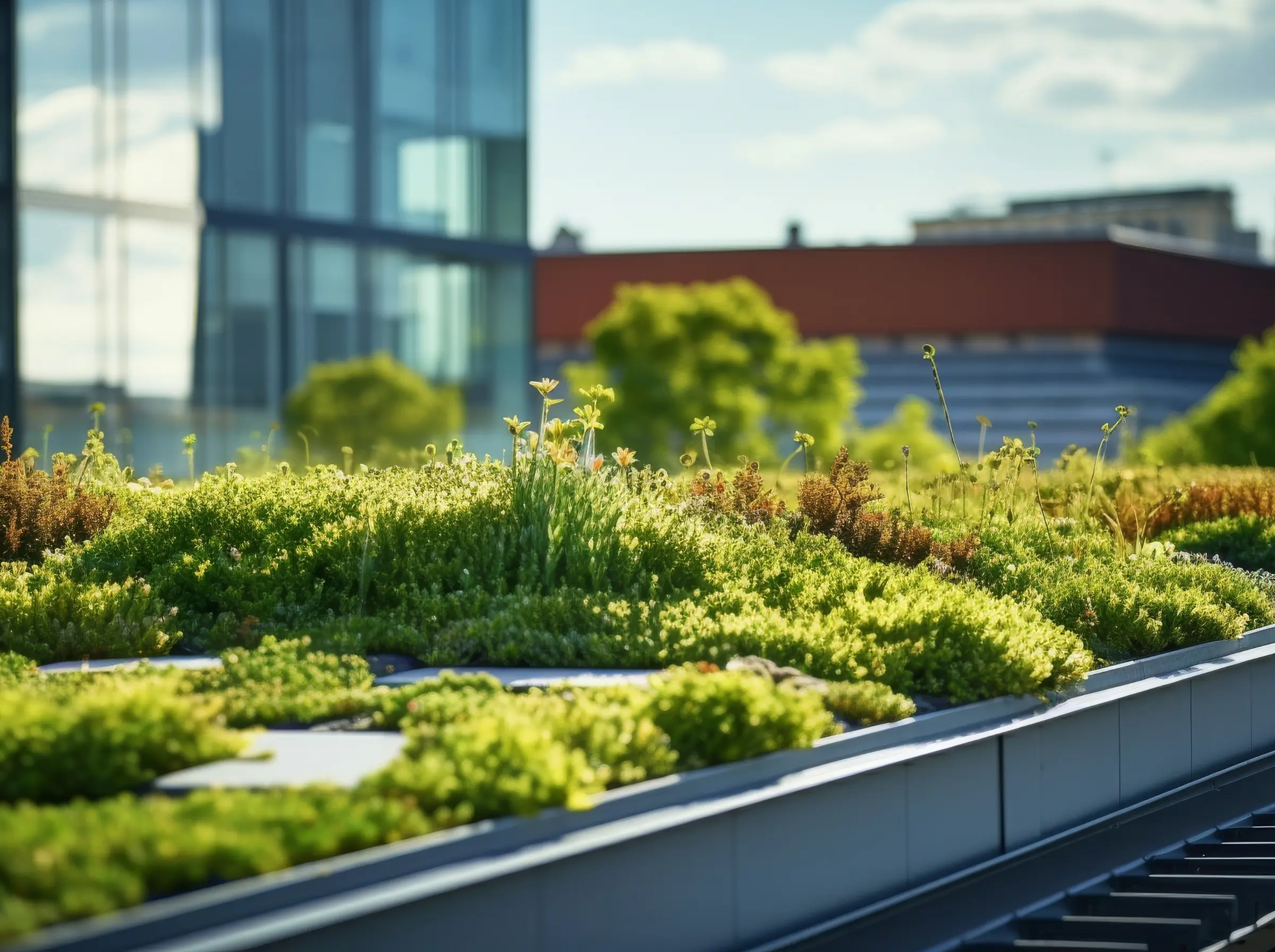
Green roofs bring life to spaces that would otherwise go unused, turning bare rooftops into thriving green environments. As well as enhancing an area’s visual appeal, they create valuable wildlife habitat and help manage rainfall by slowing and reducing surface water runoff.
But a successful green roof involves much more than laying plants on top of a building.
A green roof is both a living system and part of the building. Its planting, growing medium, waterproofing, drainage and ongoing care need to work together. Focusing only on what is visible can mean overlooking the elements that matter most.
Before investing in a green roof, here are five important things you need to know.
1. The roof must be suitable for the whole system
Before choosing a green roof system, check what the building can safely support.
Consider the weight that will be added to the roof, including the growing medium, planting and drainage components, as well as the water the system holds. Structural assessment needs to account for the fully saturated system, snow and access loads, and any concentrated loads from features such as planters or paving. Roof slope and wind exposure also affect the design.
An extensive green roof, typically planted with low-growing species in a relatively shallow growing medium, has different demands from an intensive roof garden with deeper planting and areas for people to use.
Ask a structural engineer to confirm the roof’s suitability and work with a green-roof specialist to agree an appropriate system before installation. Choosing a lighter system does not remove the need for this assessment.
2. Plant selection should be based on conditions, not appearance
It’s easy to choose plants because they look impressive or complement a building’s design, but appearance should never be the only consideration.
Conditions at roof level can be challenging; for instance, exposed areas may experience strong sunlight and drying winds, while nearby structures create shade or shelter. The depth of the growing medium also affects which plants can thrive.
For example:
- Drought-tolerant sedums may suit sunny, exposed areas.
- Wildflower planting needs a suitable species mix and sufficient growing depth.
- Shaded areas may require a different plant selection from those in full sun.
Select plants for the conditions they will experience, not just for how the roof looks on installation day.
3. Waterproofing and drainage are not optional extras
A green roof should enhance a building, not make it more vulnerable.
Before vegetation is installed, check and test the integrity of the waterproofing and ensure there is adequate root protection, either through a suitable root-resistant waterproofing system or a separate root barrier.
The remaining layers must work together to move water efficiently through the system. The drainage layer should retain rainwater, slowing the flow and allowing surplus water to escape. The filter layer should help stop fine particles from entering the system and restricting drainage. Holding some rainwater is useful, but it is not a replacement for effective drainage. Roof outlets, where present, must remain accessible for inspection and clearance.
Select a growing medium, also known as substrate, suited to the roof and planting. It needs to retain enough moisture to support planting while allowing drainage and air around the roots. Ordinary garden soil is unsuitable: weight, poor drainage and fine particles can all cause problems.
Before accepting a proposal, ask what consideration is given to the protective layers that sit beneath the plants, particularly whether a waterproofing and root protection membrane is included in the system.
4. Watering and feeding should match the type of roof
Green roofs do not all need the same watering or feeding regime.
A newly installed green roof may need watering during establishment. Once established, many extensive roofs can rely largely on rainfall, although prolonged dry weather may call for supplementary watering. Intensive roof gardens usually need more regular irrigation.
Determine whether irrigation is needed, how water use will be controlled and how the green roof will be managed during extended dry spells. When using irrigation, reassess usage as and when conditions change, rather than treating it as a set-and-forget system.
Nutrition also needs a roof-specific approach. Some low-nutrient wildflower systems need little or no additional feeding; other vegetation types may benefit from a specified fertiliser programme. Excessive feeding can favour unwanted growth and increase nutrient losses in runoff so it’s important that this is tailored to each planting scheme.
The aim is to meet the needs of the green roof, not to apply more water or fertiliser by default.
5. Low maintenance does not mean maintenance-free
Some green roofs need relatively little intervention, but none should be installed and forgotten.
Maintenance may include checking plant coverage, removing unwanted seedlings, clearing outlets, inspecting irrigation and keeping designated vegetation-free borders and fire breaks clear. The schedule should suit the roof type, the manufacturer’s guidance and seasonal conditions.
Safe access is part of the design, not something to work out after installation. Consider who will carry out inspections and repairs to drainage, planting or irrigation.
Think of a green roof as a living system
The planting is only the visible part.
A successful green roof connects structural capacity, waterproofing, root protection, suitable growing medium, plant selection, water management and ongoing care.
Each element affects the others. Better plants cannot compensate for blocked drainage, and a well-designed irrigation system cannot make an unsuitable roof structure safe.
A successful green roof begins with joined-up planning.
Questions to consider before installing a green roof
- Has a structural engineer confirmed the roof can support the fully saturated system and other design loads?
- Which type of green roof suits the building and the intended use?
- How will planting be matched to sunlight, shade, wind and growing depth?
- How will the waterproofing be tested and protected from roots?
- What growing medium and drainage layers will be used?
- How will outlets remain accessible for inspection and clearance?
- When will supplementary watering be needed, and how will it be managed?
- What feeding, if any, does the selected planting require?
- How will you address safe maintenance access and fire-safety requirements?
- Who is responsible for aftercare?
Clear answers can help you choose between a visually impressive installation and a green roof designed to perform for many years.