Part of the BioScapes Group

Case Studies

Impactful Case Studies, exploring
SuDS & BNG in education water management biodiversity net gain

Our case studies illustrate our commitment to effective flood management and increasing biodiversity through the UK. Discover how our innovative solutions have transformed communities, reduced risks, and delivered measurable outcomes.

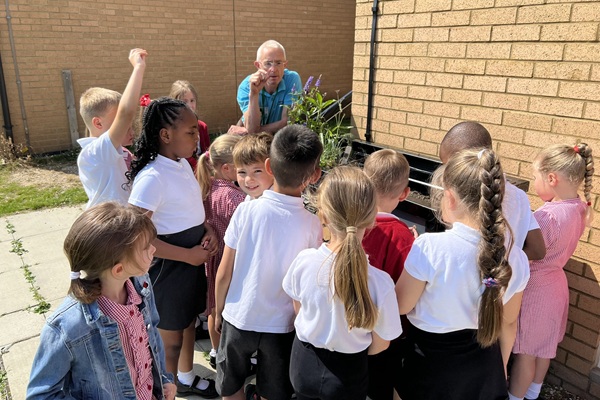
Educational engagement session at Northlands Primary

Case Study: Supporting Essex Council’s Climate Resilience Strategy

To address surface water flooding in school environments, Essex County Council funded the installation of 41 Sustainable Urban Drainage System (SuDS) units across primary schools and nurseries in the county.

Case Study: Tandridge Council

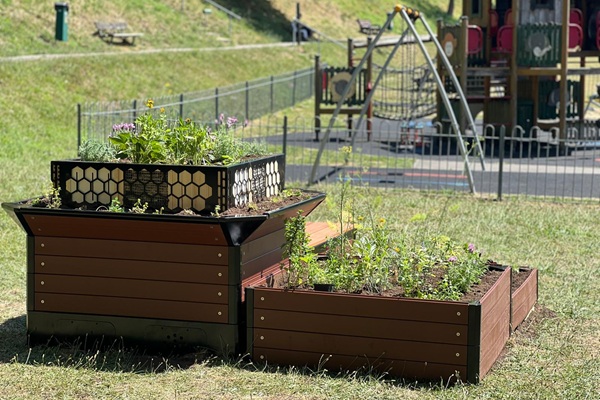
To support Tandridge Council's biodiversity and nature recovery goals, BioScapes delivered seven BioCubes for public spaces in the region, installed by registered installers London Lawn Turf Company.
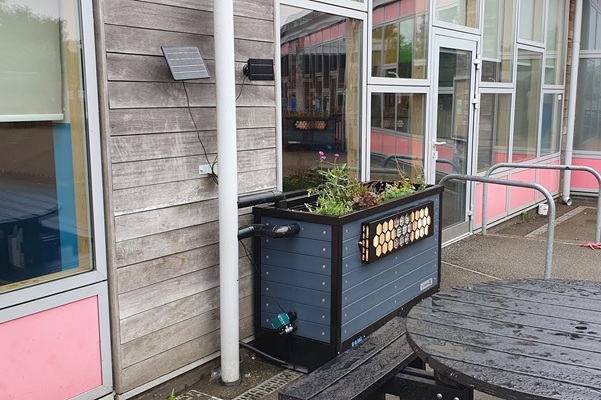
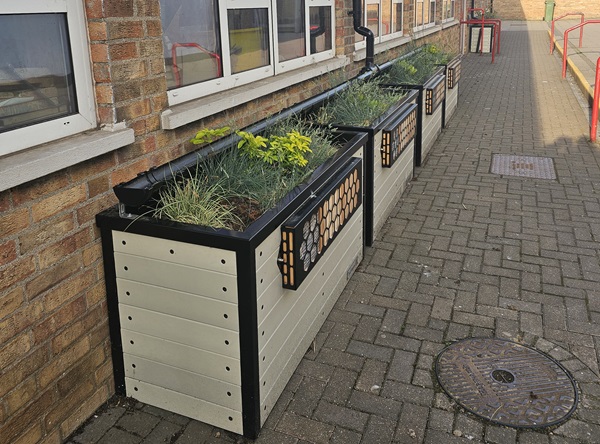
SuDS and BNG Planter with smart meter installed at Oakley Vale Primary School

Case Study: Northamptonshire Council

The Northants RAIN Project turned to BioScapes to deliver 32 Sustainable Drainage & BNG Planters to enhance schools across the area.

Case Study: Ashlands Primary, Ilkley

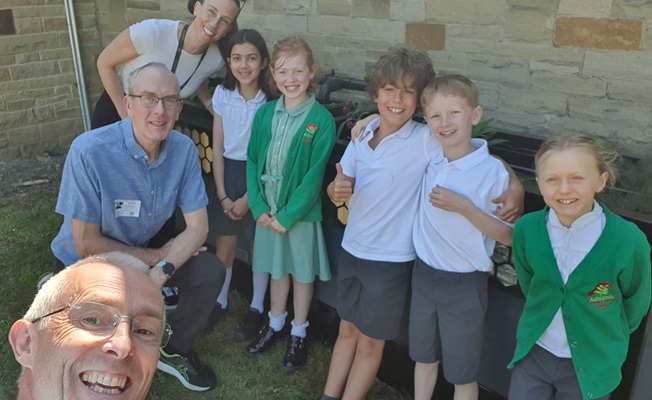
Yorkshire Water and Groundwork Yorkshire collaborated with BioScapes to provide Ashlands Primary School in West Yorkshire with four BioScapes SuDS planters, designed to capture water and protect the school from flood risk.

Case Study: Hornsea School & Language College

Hornsea School partnered with Wold Construction and East Riding Council to install six BioScapes SuDS units. These units were selected for their surface-mounted, retro-fit design, which eliminated the need for intrusive groundwork, ensuring a swift and disruption-free installation.
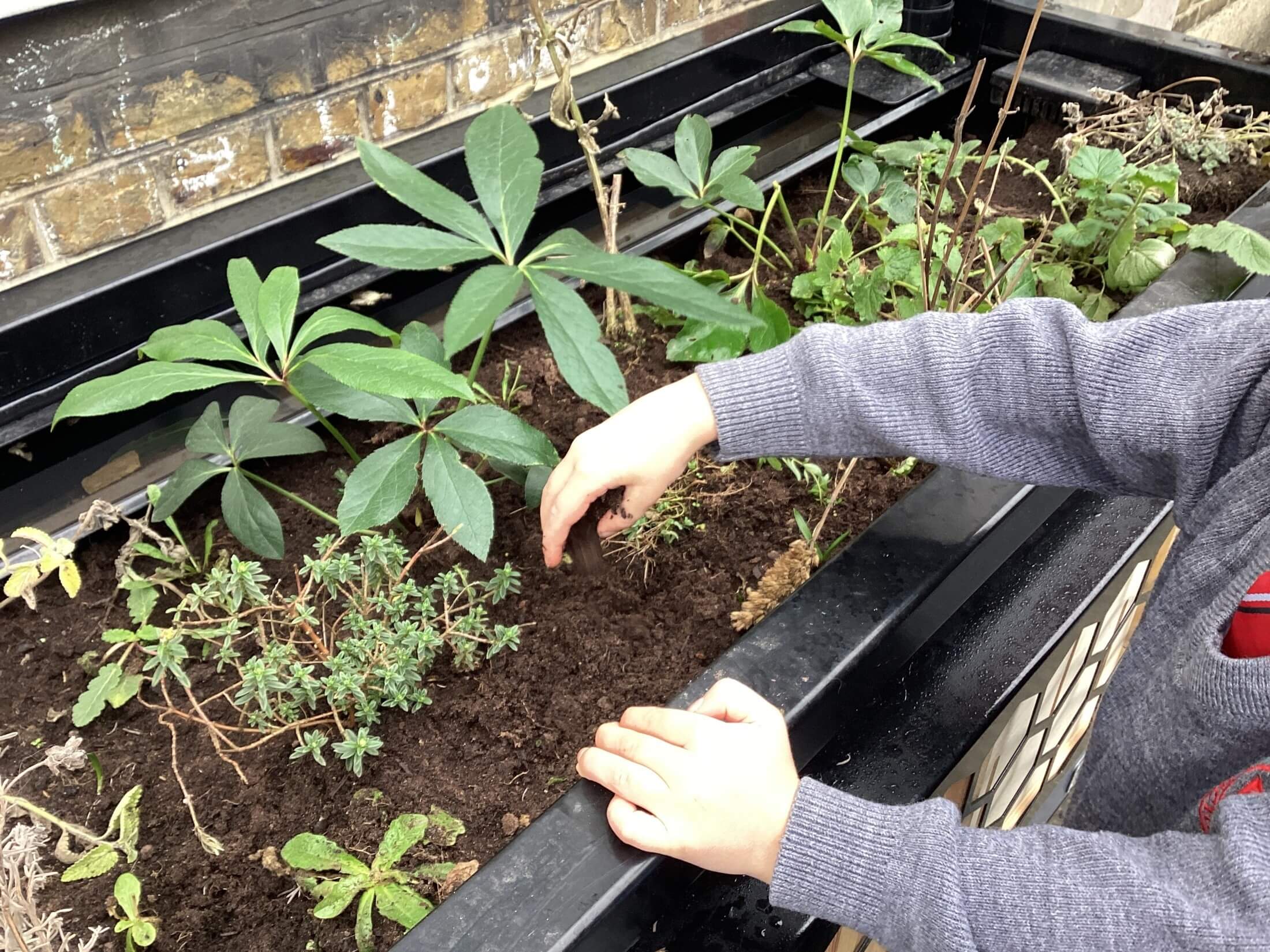
Image of a school pupil planting up a BioScapes SuDS & BNG planter at Holy Cross School, Fulham

Case Study: Holy Cross Catholic Primary School, Fulham

Holy Cross Catholic Primary School in Fulham, London, turned to BioScapes when it faced significant challenges with its outdoor environment which lacked biodiversity, was prone to flooding and limited educational and recreational opportunities.