Capturing every drop: smarter water management for a changing climate
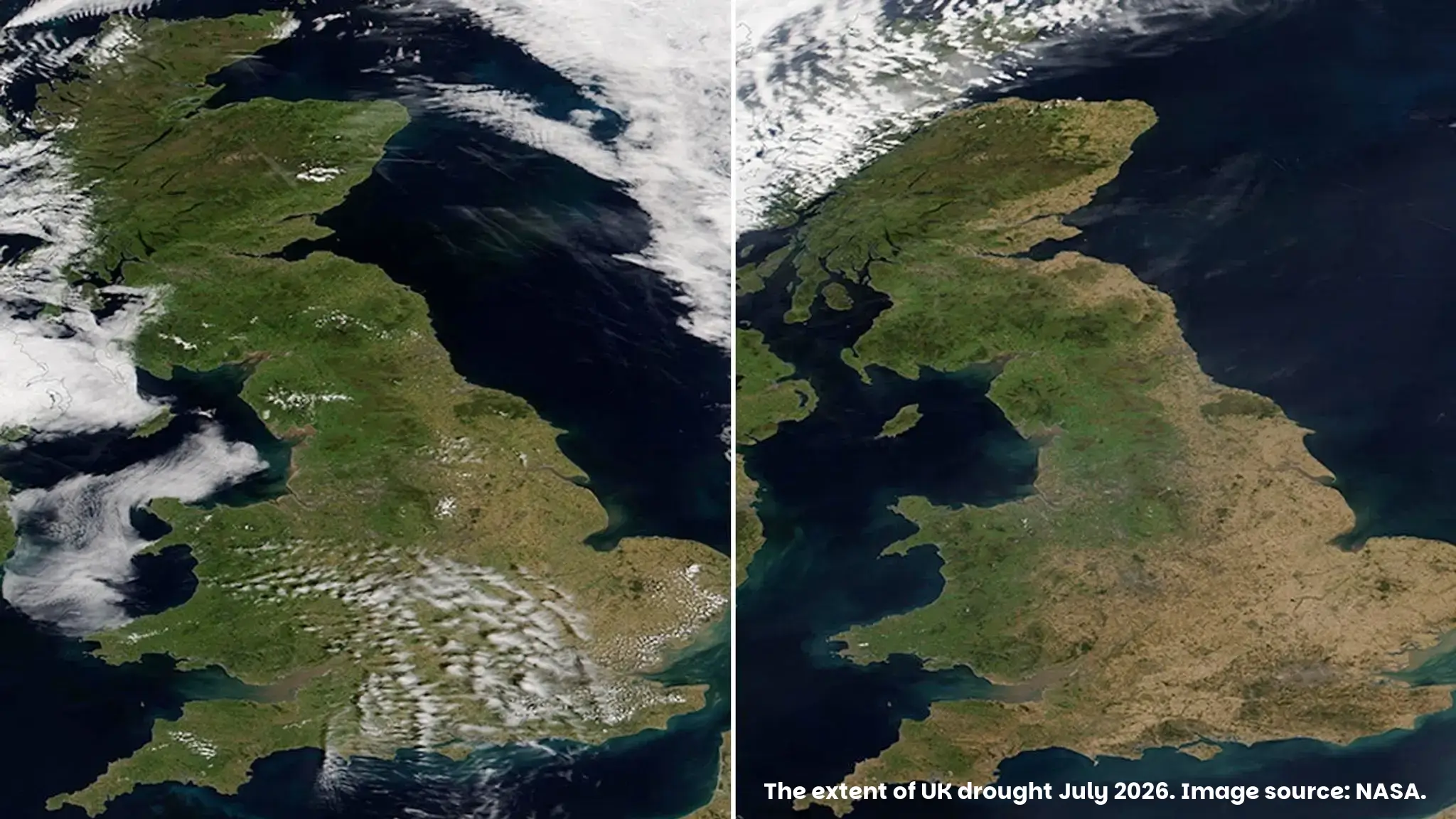
Each summer seems to bring another reminder that water is one of our most precious resources. While the UK has traditionally been viewed as a country with no short supply of rainfall, changing weather patterns are painting a very different picture. Longer periods of dry weather, increasingly hot springs and more frequent heatwaves are placing growing pressure on our water supplies.
This year’s hosepipe bans across large parts of the south and south-east of England and parts of Wales (at the time of writing) serve as a timely reminder that water scarcity is no longer an issue confined to traditionally arid regions. With customers in the remaining regions also being encouraged to reduce non-essential water use, we need to think differently about how we manage water.
The conversation should not simply be about using less water. It should also be about using water more intelligently.
From disposal to resource
For decades, much of our approach to water management has focused on moving water away from where it falls as quickly as possible. Surface water drainage systems have been designed to prevent flooding by conveying rainwater into sewers, rivers and watercourses.
While this approach may still have a part to play during heavy rainfall events, it also means that during prolonged dry periods we have little capacity to retain that valuable resource for future use.
Instead of viewing rainfall as something to dispose of, we need to recognise it as the valuable resource it is, responsibly capturing, storing and reusing it.
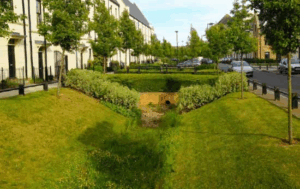
This shift in thinking is central to Sustainable Drainage Systems (SuDS), where managing water at source not only helps reduce flood risk but also supports water resilience, biodiversity and climate adaptation.
Water resilience starts where rain falls
Capturing rainwater close to where it lands offers benefits that extend far beyond drought management.
For commercial sites, housing developments, schools and local authorities, storing water within SuDS features, rain gardens, green roofs or dedicated rainwater harvesting systems allows that water to be reused when conditions become dry.
Applications include:
- Irrigating planting schemes and landscaped areas
- Maintaining green roofs and living walls
- Supporting urban planters including tree pits during prolonged dry weather
- Cleaning vehicles, equipment or external surfaces
- Supplying non-potable water for toilet flushing and maintenance activities
Every litre reused is a litre that does not need to come from the treated mains water supply.
As pressure on water companies continues to increase, reducing demand wherever practical becomes an important part of improving overall resilience.
Smarter water management through technology
Nature-based solutions become even more effective when combined with intelligent monitoring.
Modern smart water management systems allow stored water to be monitored in real time, providing valuable insight into storage capacity, rainfall, water usage and future demand. By integrating sensors and connected technology, water storage becomes an active asset rather than a passive tank hidden below ground.
For organisations managing multiple sites, this data enables informed decision-making, helping facilities teams understand how much water is being captured, how much is being reused and where further efficiencies can be achieved.
It also creates measurable evidence of environmental performance, supporting ESG reporting and wider sustainability objectives.
Supporting biodiversity during dry periods
Water management is about far more than infrastructure.
Extended periods of hot, dry weather place considerable stress on urban planting, pollinators and wildlife habitats. Without adequate moisture, biodiversity can quickly decline, particularly within densely developed environments where natural water sources are limited.
By retaining rainwater on site, SuDS features help create more resilient landscapes.
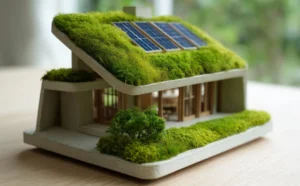
Rain gardens, specialist planters, green roofs and biodiverse planting schemes all benefit from improved water availability during dry spells, enabling vegetation to remain healthier for longer while continuing to provide habitats, cooling and improved air quality.
Rather than allowing rainwater to leave the site immediately, these systems work with natural processes to keep landscapes functioning throughout increasingly unpredictable seasons.
A practical opportunity for businesses
For businesses and organisations, adapting water management practices is becoming both an environmental responsibility and a commercial opportunity.
Water efficiency can reduce operational costs, improve resilience during supply restrictions and demonstrate a proactive commitment to sustainability.
Developers are increasingly expected to deliver schemes that manage water more effectively while supporting Biodiversity Gain, planning requirements and wider environmental objectives.
Property owners can improve the performance of existing sites through retrofit solutions that capture rainfall, reduce runoff and provide opportunities for reuse without extensive redevelopment.
Whether the objective is improving ESG performance, supporting climate resilience or reducing pressure on local infrastructure, capturing water at source delivers multiple long-term benefits.
Small changes can make a big difference
Although large-scale infrastructure has a significant role to play, water resilience is something everyone can contribute to.
Simple measures such as installing water butts, directing roof water into planting areas, choosing drought-tolerant planting and reducing unnecessary mains water consumption all help preserve valuable drinking water supplies.
For businesses, reviewing how rainwater is managed across existing sites can often identify opportunities to retain and reuse water that would otherwise enter the drainage network.
Collectively, these relatively small interventions can make a meaningful contribution when adopted across communities.
Looking ahead
Climate projections suggest that hotter, drier summers are likely to become more common across the UK, even as winter rainfall becomes heavier and more intense. Therefore, our water management systems must be capable of responding to both extremes.
The challenge is no longer simply about preventing flooding or responding to drought independently. It is about creating integrated, resilient systems that capture water when it is abundant and make it available when it is needed most.
At BluWater Solutions, we believe the future of water management lies in working with nature rather than against it. By combining Sustainable Drainage Systems, nature-inspired solutions and smart monitoring technologies, we can help organisations capture, manage and reuse water more effectively, reducing pressure on infrastructure while creating healthier, greener and more resilient places.